How a Traditional Tattoo Artist Preserves Classic Tattoo Techniques?
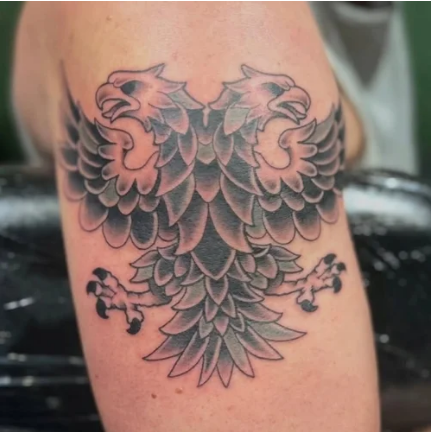
Introduction
Tattooing has a rich and multidimensional history that has been established through repetition, observation, and valuing the craft. The traditional methods of rendering tattoos are not yet outdated since it is still being practiced by artists with a mind and not a copy. A traditional tattoo artist does not rely on trends or shortcuts.
Experience is gained in knowing why the early practices proved successful and how they are still useful to the present skin. You would find that some tattoos grow old gracefully, whereas some fade out and are drowned in noise. The distinction starts with an austere artistry, prudent composition, and a tempered pen that prizes clearness rather than brilliance.
Tattooing has a rich and multidimensional history that has been established through repetition, observation, and valuing the craft. The traditional methods of rendering tattoos are not yet outdated since it is still being practiced by artists with a mind and not a copy. A traditional tattoo artist does not rely on trends or shortcuts.
Experience is gained in knowing why the early practices proved successful and how they are still useful to the present skin. You would find that some tattoos grow old gracefully, whereas some fade out and are drowned in noise. The distinction starts with an austere artistry, prudent composition, and a tempered pen that prizes clearness rather than brilliance.
The Cultural Foundation of Traditional Tattooing
The Traditional tattooing evolved from real-life experiences, traveling, and storytelling. Designs were transported in the water by sailors, workers, and service members as personal records. A traditional tattoo artist studies this background because context shapes execution.
There were bold lines and few colors due to practical considerations surrounding early machines and the stability of the pigments. Artists may make jests to say that old tattoos were constructed to meet the hard living conditions. That humor reflects truth. Minimalism cushioned the lifespan, and those attitudes persist in shaping technique even nowadays.
Line Work That Holds Everything Together
The traditional tattooing has strong outlines. The clean and confident lines make designs readable after a long time of healing. A traditional tattoo artist trains hand control to pull lines with consistency and purpose. The indecision causes asymmetry of weight, which influences the aging process of tattoos. Line work is solid, which is immediately evident even when one is far away. Artists tend to equate this ability to handwriting as it depicts muscle memory and diligence. This is a basis on practice, machine tuning and the choice of the needle.
Color Choices That Respect Time
Conventional tattoos are dependent on an intense color palette to make them durable. Strong contrast and longevity is provided by reds, yellows, greens, and blacks. An american traditional tattoo artist understands how these pigments interact with skin tone and sun exposure. Instead of adding some unnecessary layers, artists are concerned with saturation and balance. Excessive colors disorient the eye and permute the structure. The restraint makes tattoos legible over time. The color theory is used to make placements in such a way that each color will not act against the design but act in its support.
Tools, Technique, and Muscle Memory
Machines or needles are important, but experience is more significant. Conventional tattooing is concerned with being acquainted with tools rather than constant experimentation. A traditional tattoo artist learns how voltage, hand speed, and needle grouping work together. The artist has muscle memory that ensures that he or she concentrates on flow rather than mechanics. Other artists equate a machine setup with the tuning of an instrument. Minor changes modify performance. This practical experience maintains continuity in the execution and minimizes the unwarranted tension on the skin.
Flash Art and Design Discipline
Flash designs are educational and inspirational. Old-fashioned flash lessons are balanced, spaced, and clear. A traditional tattoo artist studies these designs to understand why they work, not to copy them blindly. Powerful silhouettes and simplified shapes are compatible with skin. You know the archetypal imagery the moment you look at it because it does not need to be explained. In case artists encourage you to talk with them, they may ask what you like about a design. The dialogue aids in changing the old concepts to the current ones without losing the form.
Learning Through Mentorship and Experience
Tattoo tradition is being preserved by means of common knowledge. The culture of** apprenticeship is also important **in maintaining technique. An american traditional tattoo artist often learns through observation, repetition, and direct feedback. This is a process that creates reverence for craft and community. The conversations that may be made in the shop can involve jokes, criticism, and narrations, all of which have the benefit of solidifying learning. Mentorship imparts the art as well as the duty. The discipline of teaching is also a way of hone discipline of individuals, hence one will find that standards are maintained irrespective of the generation.
Balancing Tradition With Modern Needs
Tradition does not forget its identity, and tattooing is developing. A traditional tattoo artist may use modern pigments or smoother machines while preserving bold structure. This equilibrium enables tattoos to be up-to-date without compromising on length of life. Clients tend to wonder whether old-fashioned tattoos can be personal. Considerate tailoring by size, position, or symbolism is the response to that question. This is the balance that Washington Street tattoo upholds, with a respect for the historical technique and attentiveness to personal vision.
The reason why classic tattoo techniques remain alive is due to discipline, dialogue, and respect for history by the artists. The use of line, the control of colors, mastery of the tools, and mentorship all contribute to the continued use of clarity and long-lasting work. You know how convention flourishes when artists make it a living thing instead of a dead object. The Washington Street Tattoo upholds such philosophy by respecting the long-established practices, but developing significant tattoos that only get stronger and more characterful with age.
Frequently Asked Questions
Q. What defines a traditional tattoo artist?
A traditional tattoo artist focuses on bold line work, limited color palettes, and designs built for long-term clarity. This approach values discipline, consistency, and techniques proven to age well on skin.
Q. How does an american traditional tattoo artist differ from other styles?
An american traditional tattoo artist follows specific design principles such as strong outlines, simple shading, and recognizable imagery. These tattoos prioritize readability and durability rather than excessive detail.
Q. Why do traditional tattoos last longer than many modern styles?
Traditional tattoos rely on clear structure, proper pigment saturation, and controlled application. A traditional tattoo artist uses these methods to prevent fading and distortion over time.
Q. Are traditional tattoos customizable for personal meaning?
Yes, customization plays a key role. A traditional tattoo artist can adjust size, placement, symbolism, and composition while keeping classic structure intact.
Q. What role does line work play in traditional tattooing?
Line work acts as the foundation of every design. An american traditional tattoo artist trains extensively to achieve consistent line weight that holds shape as the tattoo ages.
Q. Do traditional tattoo artists still use flash designs?
Flash remains an important learning and reference tool. A traditional tattoo artist studies flash to understand balance, flow, and composition, then adapts designs based on client input.
Q. Can modern tools be used without losing traditional integrity?
Modern tools can support efficiency and comfort when used thoughtfully. An american traditional tattoo artist selects updates that enhance control without compromising classic technique.